 Roger P. Foley Home
Let Us Clean Up
Your Legal SituationCase Evaluation & Strategy | Click Here


Dealing or Organizing Stolen Property - Florida Statute 812.019
Contents
- What Is Dealing in Stolen Property Under Florida Law
- Penalty and Felony Level
- How Dealing in Stolen Property Differs From Theft
- What the State Must Prove
- Knowledge and Intent Are Critical
- Common Scenarios Leading to Charges
- Common Defenses to Dealing in Stolen Property
- Lack of Knowledge
- No Trafficking
- Improper Sting or Entrapment
- Election of Offenses Violation
- Illegal Search or Seizure
- Coerced or Mischaracterized Statements
- Early Case Review and Charging Decisions Matter
- Paid Case Consultation and Early Strategy Review
- Frequently Asked Questions
- Is dealing in stolen property always a second-degree felony?
- Can I be charged if I did not steal the property?
- Can I be convicted of both theft and dealing?
- What if I bought the property cheaply but did not know it was stolen?
- Are undercover stings legal?
- Serving West Palm Beach, Palm Beach County, and All of Florida
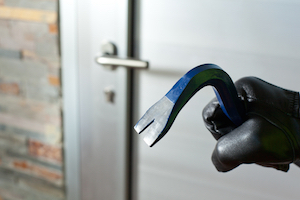
Dealing in stolen property is one of the most serious theft-related offenses in Florida. Unlike basic theft, this charge is aimed at individuals accused of trafficking, selling, or attempting to profit from property the State claims was stolen. In many cases, the charge is filed as a second-degree felony , carrying substantial prison exposure and lifelong consequences.
This page is intended to educate readers about how Florida law defines dealing in stolen property, what the State must prove, how juries are instructed to analyze these cases, and the defenses that commonly apply. While this office is based in West Palm Beach and Palm Beach County, dealing in stolen property cases are handled throughout the state of Florida.
What Is Dealing in Stolen Property Under Florida Law
Florida Statute 812.019(1) makes it a crime to:
Traffic in property that a person knows or should know was stolen
Or
Initiate, organize, plan, finance, direct, manage, or supervise the trafficking of stolen property
The statute targets conduct beyond simple possession. The focus is on commercial activity or intent to profit, not merely holding stolen property.
Trafficking is broadly defined and includes selling, transferring, distributing, dispensing, or otherwise disposing of stolen property.
Penalty and Felony Level
Under Florida Statute 812.019(2):
Dealing in stolen property is generally a felony of the second degree
A second-degree felony in Florida is punishable by:
Up to fifteen years in prison
Up to fifteen years of probation
A fine of up to ten thousand dollars
Certain aggravating factors, prior convictions, or related charges can increase exposure or lead to enhanced sentencing.
How Dealing in Stolen Property Differs From Theft
This charge is often misunderstood.
Theft under Florida Statute 812.014 focuses on the unlawful taking or use of property.
Dealing in stolen property focuses on what happens after the theft , particularly:
Selling or attempting to sell stolen property
Organizing or facilitating a stolen property operation
Profiting from stolen goods
Acting as a middleman or fence
A person can be charged with either theft or dealing, but not convicted of both for the same property, under Florida Statute 812.025 . This election requirement is a critical defense issue in many cases.
What the State Must Prove
Florida Standard Jury Instruction 14.2 or 14.3 governs dealing in stolen property.
To convict, the State must prove beyond a reasonable doubt that:
The property was stolen
The defendant trafficked in the property or directed trafficking
The defendant knew or should have known the property was stolen
Knowledge is the central issue in most cases.
The jury may consider circumstantial evidence, but suspicion, assumptions, or poor judgment are not enough.
Knowledge and Intent Are Critical
The statute does not require proof that the defendant personally stole the property, but it does require proof of knowledge.
Common issues litigated include:
Whether the defendant actually knew the property was stolen
Whether the circumstances truly indicate knowledge
Whether the State is relying on hindsight or assumptions
Whether lawful explanations exist
The phrase "should have known" does not eliminate the State's burden. It still requires proof beyond a reasonable doubt based on objective facts.
Common Scenarios Leading to Charges
Dealing in stolen property charges often arise from:
Pawn shop transactions
Online marketplace sales
Used goods resale businesses
Auto parts or vehicle transactions
Electronics resale
Undercover law enforcement operations
Sting operations involving informants
Many cases rely heavily on recorded conversations, undercover tactics, or financial records that must be carefully analyzed.
Common Defenses to Dealing in Stolen Property Lack of Knowledge
The most common defense.
The State must prove actual or constructive knowledge that the property was stolen. Innocent purchase, lack of information, or reliance on representations can defeat the charge.
No TraffickingPossession alone is not enough. The State must prove trafficking or intent to traffic.
Improper Sting or EntrapmentSome cases involve aggressive undercover tactics. Entrapment may apply where law enforcement induced conduct that would not otherwise have occurred.
Election of Offenses ViolationUnder Florida Statute 812.025, the State must elect between theft and dealing. Improper charging can result in dismissal or reversal.
Illegal Search or SeizureFourth Amendment violations involving vehicle stops, searches, or warrants can lead to suppression of evidence.
Coerced or Mischaracterized StatementsStatements made during undercover operations or interrogations are frequently challenged.
Early Case Review and Charging Decisions Matter
Dealing in stolen property cases often involve discretionary filing decisions by prosecutors.
Early case review can allow counsel to:
Present legal defects to the filing authority
Challenge improper charging theories
Raise constitutional issues under the Fourth, Fifth, and Fourteenth Amendments
Humanize the accused before a felony filing
Prevent escalation or seek dismissal before formal charges
Once filed as a second-degree felony, leverage decreases significantly. Early intervention matters.
Paid Case Consultation and Early Strategy ReviewDealing in stolen property charges are serious felony allegations under Florida law, and early decisions can have long-lasting consequences. For that reason, consultations in these cases are structured as paid legal strategy sessions rather than general intake calls.
During a paid consultation, the focus is on reviewing the facts, identifying potential statutory and constitutional issues, evaluating exposure under Florida Statutes section 812.019, and discussing realistic paths forward based on how these cases are actually prosecuted.
Consultation fees are as follows:
- One hundred fifty dollars during normal business hours
- Four hundred fifty dollars after hours or on weekends
- Emergency consultations outside normal availability are billed at one thousand dollars per hour
Once the consultation fee is paid, you are put in direct contact with the office to schedule or initiate the consultation based on urgency and availability. Emergency consultations are reserved for situations where immediate legal guidance is necessary, such as arrests, searches, active investigations, or imminent charging decisions.
These consultations are designed to provide clear, honest legal guidance at a critical stage of the case.
Frequently Asked Questions Is dealing in stolen property always a second-degree felony?
Yes, under Florida Statute 812.019(2), it is generally charged as a second-degree felony.
Can I be charged if I did not steal the property?
Yes. The charge focuses on trafficking, not the original theft. However, knowledge must still be proven.
Can I be convicted of both theft and dealing?
No. Florida law requires the State to elect one offense for the same property.
What if I bought the property cheaply but did not know it was stolen?
Low price alone is not proof. Knowledge must be proven beyond a reasonable doubt.
Are undercover stings legal?
They can be, but improper inducement or coercion may give rise to defenses.
Serving West Palm Beach, Palm Beach County, and All of Florida
While this page focuses on Palm Beach County, dealing in stolen property charges are handled throughout Florida. The statute and jury instructions are statewide.


Click on the following reviews to see what clients are saying about us







 Your Privacy Choices